
Why Multilingualism Matters?
The answer to this is quite simple: Because there is no downside.
Children are fully capable of learning more than one language (no, they are not confused!), and the benefits reach far beyond communication. Growing up with multiple languages enhances cognitive abilities, including thinking, learning, and problem-solving, while facilitating easier adaptation in school, social settings, and everyday life.
Languages also create deep emotional connections. When children can speak the languages of their (extended) family, they gain a strong sense of identity and belonging. They stay connected to the people they love, understand their cultural roots, and feel confident expressing themselves across different parts of their world.
Multilingualism is more than just a word. It is a lifelong gift. It strengthens family bonds, broadens perspectives, and equips children with tools to navigate an increasingly diverse world. When we raise children who speak more than one language, we are not just teaching them words and offering them free language lessons. We are giving them a superpower they carry with them everywhere. They just don’t know it yet ;)


" A different language is a different vision of life.
Federico Fellini
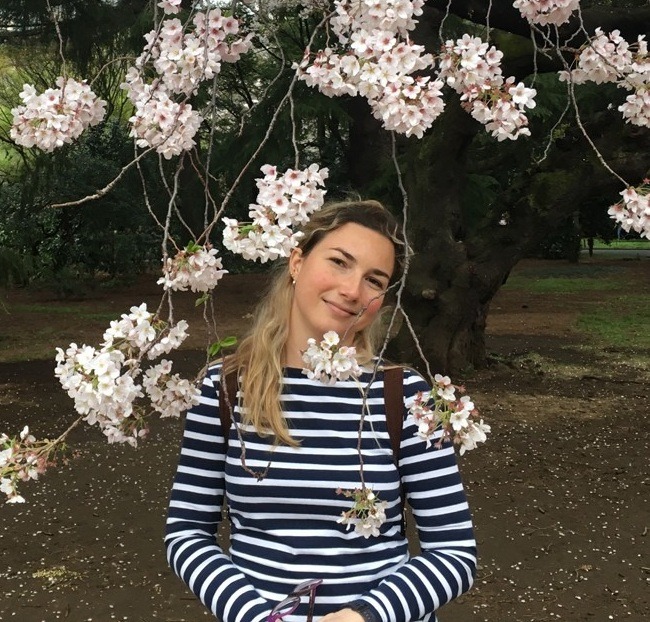
Meet the Multilingual Marvels Founder
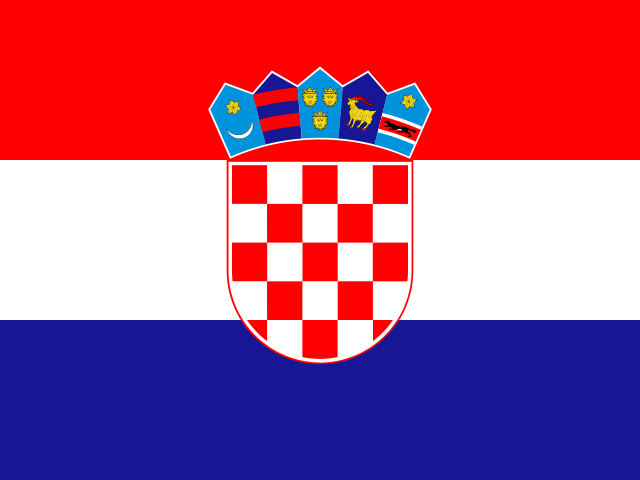
I'm Snježana, a translator, teacher, and lifelong language enthusiast. I hold an MA in French Language and Literature, as well as in Comparative Literature and Philosophy. Over the years, I've worked as a French teacher, translator, customer support specialist, and subtitler. Originally from Croatia and currently living in Ireland, I'm fluent in Croatian (my mother tongue), as well as English, French, Spanish, and a few other languages. Languages have always been my passion, and becoming a polyglot has been both a dream and a personal achievement. The more languages we speak, the more people we can connect with - building empathy, tolerance, and open-mindedness along the way.
Why multilingualism?
Multilingualism as a global phenomenon has always fascinated me. More than half of the world's population uses multiple languages in their everyday lives. Yet when it comes to raising multilingual children, the topic is still surrounded by myths and misconceptions. I am here to help you debunk those myths and offer clear, practical guidance on how multilingual upbringing really works.
As a foreign language teacher with a genuine love for languages, raising children multilingually has always felt natural to me. Still, I am often asked whether it is really worth the effort, usually based on the assumption that children will eventually abandon the non-dominant language.
My response has always been simple: why not? There is no downside. Research consistently highlights the benefits of multilingualism for cognitive development, adaptability, flexible thinking, metalinguistic awareness, and future language learning. Beyond these well-established findings, speaking to children in our mother tongue allows us to connect with them on a deeper intellectual and emotional level. This is not about vocabulary alone; it is about giving children the skills and confidence to understand and communicate with the world around them.
Every family's situation is unique. I value the opportunity to listen, understand, and offer personalized guidance through the Family Language Plan. My goal is to reduce overwhelm, boost your confidence, and make multilingual parenting feel natural and achievable. Being part of a family's language journey is a privilege that I approach with care, empathy, and enthusiasm.
Contact
Newsletter
© 2026. All rights reserved.
MULTILINGUAL MARVELS
... because multilingualism is a lifelong gift.